
Eco-Friendly Plastic Recycling Services in Singapore.
Every year, the nation throws away a volume of plastic equivalent to more than two thousand Olympic swimming pools. This underscores how everyday steps can make a big difference. Advance Recycling Singapore provides eco-friendly recycling solutions and plastic recycling services. They convert waste into recovered resources.
Advance Recycling delivers properly licensed, NEA-aligned plastic recovery and sustainability-focused waste handling. They serve both households and businesses. They provide convenient plastic recycling services collection points, regular collection runs, and business programs. These help divert plastic from landfills into reusable materials and recycled pellets.
By focusing on quality sorting and processing, the company strengthens local upcycling and manufacturing. They assist firms in meeting compliance needs. Their goal is to reduce landfill pressure and advance a circular economy in Singapore.
Highlights
- Advance Recycling delivers licensed, eco-friendly recycling solutions across Singapore.
- Coverage spans residents via drop-off and organizations via collections and programs.
- Core focus: converting plastics into pellets and reclaimed feedstocks.
- Operations align with NEA requirements for sustainable waste management.
- Goal is to reduce landfill diversion and support local upcycling and manufacturing.
Why Sustainable Plastic Recycling Matters in Singapore
Plastic waste volumes are substantial in Singapore. Items range from carrier bags and bottles to industrial offcuts. Without correct segregation, materials quickly lose value.
There’s a need for bigger plastic recycling services. Facilities need to accept different types of plastics. That approach keeps more plastics in circulation and out of landfills.
Plastic waste is also a problem for our environment. It can take decades to break down and harms marine life. Recycling and upcycling keep plastics from entering waterways and seas.
Cleaner recycling helps the environment by reducing greenhouse gas emissions. It also supports local businesses by providing them with recycled materials. Together, this builds a stronger closed loop locally.
NEA oversight is central to waste regulation. Licensed collectors follow strict rules to handle and process waste. That safeguards public health and legal alignment.
Companies like Tidy E-Way Plastic show the success of regulated recycling. Transparent reporting and NEA adherence are standard. The result is safe, compliant service delivery.
Meeting national targets requires strong recycling focus. Strong recycling services and waste reduction programs are key. This lowers virgin demand and supports circularity.
Overview of Advance Recycling — Singapore’s Sustainable Partner
Advance Recycling is a green partner for businesses and homes in Singapore. They turn plastic waste into useful materials and products. They also track their impact and make materials last longer.
That alignment supports zero-waste goals with actionable circular pathways. These solutions meet the needs of the local community.
Mission and Zero-Waste Focus
The mission is to reduce landfill use by recirculating plastics. Diversion is tracked, and collaboration with designers is ongoing. Together, they create upcycled furniture and gifts for companies.
This makes Advance Recycling a leader in eco-friendly recycling in Singapore.
Licensing and Compliance
NEA licensing covers their plastic handling operations. Traceability spans collection through processing. This meets the needs of buyers looking for recycled materials.
Compliance reduces procurement risk for recycled-content buyers.
Summary of services offered to businesses and individuals
Services are accessible to all. Individuals use drop-off; businesses book scheduled pickup. Corporate programs support offices and industrial sites.
These programs include on-site assessments and sorting help. Logistics scale to high-volume waste streams.
The company processes, cleans, and produces recycled pellets and materials. They offer partnerships for upcycling projects. They also provide workshops and educational programs to improve recycling rates.
Plastics Accepted and Recovered
A wide polymer range is accepted in Singapore. They take in beverage and food containers, household films, and more. This breadth supports recycling and industrial recovery.
PET arrives primarily from bottles and clear packaging. It’s recycled into PET flakes and pellets. HDPE from jugs and detergent bottles becomes durable containers and piping.
LDPE covers thin films and retail bags. They are recycled to make flexible sheet and pellets. Polypropylene from caps and molded parts is recycled for durable regrind.
Construction and specialty items provide polyvinyl chloride and acrylic scrap. PVC is reprocessed into rigid profiles and pipes. PMMA recycling turns acrylic panels and signage into sheet and machining stock.
Acceptance: Post-Consumer and Post-Industrial
Both residential and commercial scrap are accepted. Homes contribute bottles and various packaging. Corporate scrap includes production offcuts and rejects.
Source- and cleanliness-based sorting cuts contamination. Higher yields and lower costs follow from cleaner inputs.
Why Polymer-Specific Sorting Matters
Polymer-specific sorting boosts quality and value. Clean mono-material streams deliver consistent melt flow. That consistency benefits pelletizing and upcycling.
| Resin | Common Sources | Primary Recycled Outputs | Common End Uses |
|---|---|---|---|
| Polyethylene Terephthalate | Beverage bottles, food containers | Pelletized flakes | New bottles, fibers, packaging |
| HDPE | Jugs, detergent bottles, crates | Regrind pellets | Containers, piping, durable goods |
| LDPE | Retail bags, stretch film, wraps | Pellets, sheet | Flexible packaging, liners, sheeting |
| PP | Caps, tubs, automotive parts | Regrind, pellets | Injection molded parts, textiles |
| PVC | Pipes, window frames, profiles | Reclaimed rigid compound | Building components, profiles |
| PMMA | Acrylic panels, signage, displays | Sheet reclaim, granulate | Signage, glazing, custom products |
How the Service Works: Collection to Output
Collection options cover homes, offices, and factories across Singapore. Residents can use local drop-off hubs. Regular pickup schedules simplify removal for households and companies.
The company creates custom programs for businesses to manage their waste. Guidelines specify acceptable items and prep steps. Regular pickups help keep recycling rates high by reducing contamination.
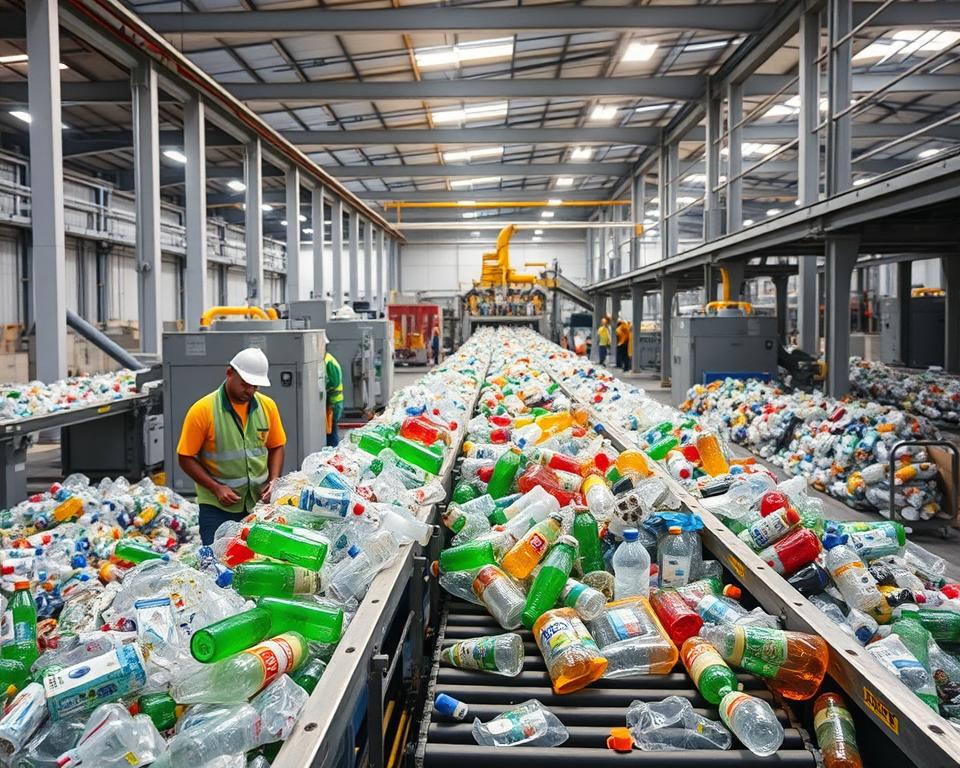
Intake Sorting starts at the intake, where materials are sorted by type. Manual and mechanical steps remove contaminants. Cleaner feeds have higher value and yield.
Post-sorting, cleaning and size reduction occur. It’s shredded, washed, and ground into small pieces. These pieces are then melted and turned into uniform pellets for sale.
A portion supplies local manufacturers. Another share goes into upcycling collaborations. Design teams create furniture and corporate gifts from reclaimed plastics.
These efforts reduce the need for new plastic and keep tons out of landfills. Businesses can track their progress and meet their sustainability goals. Overall, the system materially improves recycling outcomes.
Circular Practices and Eco-Friendly Solutions
Advance Recycling turns plastics into valuable materials. Programs are designed to strengthen the local circular loop. Partnerships with designers and manufacturers extend material lifecycles.
Value-Adding Upcycling projects demonstrate waste-to-value outcomes. Advance Recycling partners with furniture makers and corporate gifting firms. Outputs include bespoke items made from recycled PET and HDPE.
Localizing processing reduces transport emissions. This reinforces the national waste-management ecosystem. Local making also supports social enterprises and small fabricators.
Impact is measured via clear KPIs. Common KPIs include tonnes processed per year and percentage recycled. Tracking landfill diversion helps businesses report environmental ROI.
The table below compares typical indicators that Advance Recycling reports against common industry figures. It shows performance and progress.
| Indicator | Typical Industry Figure (annual) | Expected Advance Recycling KPI | Interpretation |
|---|---|---|---|
| Processed tonnage | 2,778 | 2.5k–3.0k | Scale of throughput and operational capacity |
| Recycled tonnage | 2,603 | 2,300–2,800 | Material diverted from waste |
| Diversion rate | 94% | ~90–95% | Recovery effectiveness |
| Upcycled SKUs | 10–25 SKUs | 15–30 | Breadth of value-added outputs |
| Local production share | 60%–80% | ≥70% | Extent of domestic circular economy activity |
Clear reporting helps clients show progress in sustainable waste management. Consistent updates foster stakeholder trust. Diversion metrics are central to credible sustainability stories.
How Advance Recycling Supports Businesses and Community Programs
Companies and communities convert plastics into resources with Advance Recycling. They offer services tailored to fit business size, sector needs, and Singapore’s rules. The result is stronger workplace and neighborhood recycling.
They start with a site assessment for custom recycling plans. Teams get regular collections, sorting tips, and documents to follow rules and report on sustainability. Hospitality, F&B, and manufacturers reduce waste and improve operations.
Training workshops are also provided. These teach staff and locals how to sort and reuse plastic. With demos, projects, and Q&A, they share the best ways to recycle. Training lifts participation in recycling and community initiatives.
Local designers and makers are key partners. Outputs include branded gifts, office items, and promotional pieces from recycled plastics. These items demonstrate recycling’s value and reflect corporate sustainability aims.
Community recycling programs get a boost from Advance Recycling’s efforts. Councils, schools, and groups get support for new drop points and outreach. This makes recycling easier, increases the amount of waste recycled, and builds a culture of reuse in the community.
Recycling Facilities, Capacity, and Annual Impact
Singapore has many recycling facilities. Manual and automated lines sort and process plastics. Equipment like conveyor-fed sorters and dryers help clean and prepare the plastic for reuse.
Recycling capacity varies based on the facility’s size and license. Some recycling companies process thousands of tonnes each year. For example, one facility processed 2,778 tonnes and recycled 2,603 tonnes annually.
Processing ranges and yearly tonnage are shared by Advance Recycling. Manufacturers plan procurement based on these ranges. Knowing the capacity helps match collection and storage needs with processing ability.
Quality control and traceability are key. Stage-by-stage checks and detailed logs are maintained. This ensures that recycled pellets meet quality standards and can be traced back to their source.
Good systems link equipment with digital records. This reduces contamination risks and speeds up quality checks. It also helps meet strict material grades for food-contact and engineered products.
When choosing a plastic recycling company, look for clear reports on capacity and throughput. Review QC and traceability procedures. These factors make recycling partnerships more reliable and increase the value of reclaimed resins.
How to Start Recycling With Advance Recycling in Singapore
Ready to start recycling with Advance Recycling? It’s easy for both residents and businesses. Prepare materials, arrange pickup or drop-off, and complete onboarding.
Preparing household plastics
Rinse food residue and flatten bottles where feasible. Sort plastics by type: PET, HDPE, LDPE, PP, PVC, PMMA. Detach pumps, caps with springs, and metal clips. Place sorted items into clear bags or labeled bins for drop-off.
Where to bring materials
Find designated drop-off plastics locations listed by Advance Recycling. Verify hours and prep rules beforehand. Proper sorting helps reduce contamination and speeds up processing.
Business Assessment
Businesses start with a waste assessment to figure out volumes and plastic types. This guides a custom collection schedule and pricing. You’ll get advice on segregation, storage bins, and signage for staff.
Scheduling and implementation
Post-assessment, a pickup plan and staging areas are recommended. Set up segregation points and train staff. Collections start once labeling and storage meet standards. This keeps operations compliant and efficient.
Contact & Onboarding
Start by contacting Advance Recycling via email or phone with waste details. A site visit or virtual assessment might follow. Expect a proposal, timelines, and staff training materials.
Documentation and support
Compliance paperwork and collection records are provided. Staff training and reviews help keep contamination low. They offer clear communication for any adjustments or issues.
Costs, Incentives, and Environmental ROI
Understanding the balance between recycling costs and benefits is key for businesses. Pricing depends on pickup frequency, distance, and polymer types. They also depend on contamination levels and if you need to sort materials first.
Heavy washing or reprocessing can raise fees. Include containers, labor time, and pickup fees in budgeting. This helps in understanding the total expenses.
Favorable contract terms reduce long-run costs. Many recyclers offer better rates for steady volumes or long-term agreements. Per-ton costs typically drop.
Cleaner bulk streams reduce sorting costs. Taking pre-sorted materials to a licensed facility can also save money compared to frequent pickups.
Singapore provides multiple recycling incentives. Companies get credits for sustainability reports, better brand image, and lower landfill fees. Partners may offer rebates or discounts for large volumes or materials used in local manufacturing. These incentives help cover initial costs and support green goals.
Measuring environmental ROI makes the benefits clear. Track how much waste is diverted, virgin materials saved, and CO2 emissions reduced. Throughput above ~2,600 tonnes is a useful benchmark for impact.
Reporting these KPIs strengthens disclosures and validates investment.
Use a simple table to compare common cost drivers and possible savings. This helps finance teams make better choices.
| Driver | Typical Impact | Reduction Levers |
|---|---|---|
| Pickup cadence | Higher pickup cadence raises recycling costs | Consolidate pickups; use on-site bins; schedule weekly bulk runs |
| Contamination | Increases processing fees and lowers material value | Train staff; improve labels; pre-sort at source |
| Distance to facility | Transport charges add to total fees | Use local processors; optimize route planning |
| Type & volume | High-volume, homogeneous streams lower per-ton recycling costs | Streamline procurement; separate polymers by type |
| Complexity | Intensive washing/pelletizing adds cost | Match plant capability to output specs |
| Contract length | Short terms often cost more per pickup | Negotiate multi-year terms for lower rates |
Positioning recycling within corporate sustainability increases value. Use clear environmental ROI metrics in reports, marketing, and CSR. Visible diversion and virgin savings strengthen the business case.
Wrapping Up
Advance Recycling – plastic recycling is key in Singapore’s move to sustainable waste management. They use special processing for different plastics like PET and HDPE. These methods produce pellets and enable upcycled goods.
Ease-of-use options include drop-off and scheduled pickups. They also have programs for businesses. This makes recycling simple and effective.
Operational focus is on efficient, high-quality recycling. Sorting, cleaning, and processing improve feed quality. Benefits flow to local industry and the environment.
By recycling, businesses can meet standards and save resources. It also reduces waste and decreases virgin material use.
Households and firms can begin by preparing plastics properly. Then, they can contact Advance Recycling for help. Joining their workshops and community projects can help Singapore’s waste goals.